
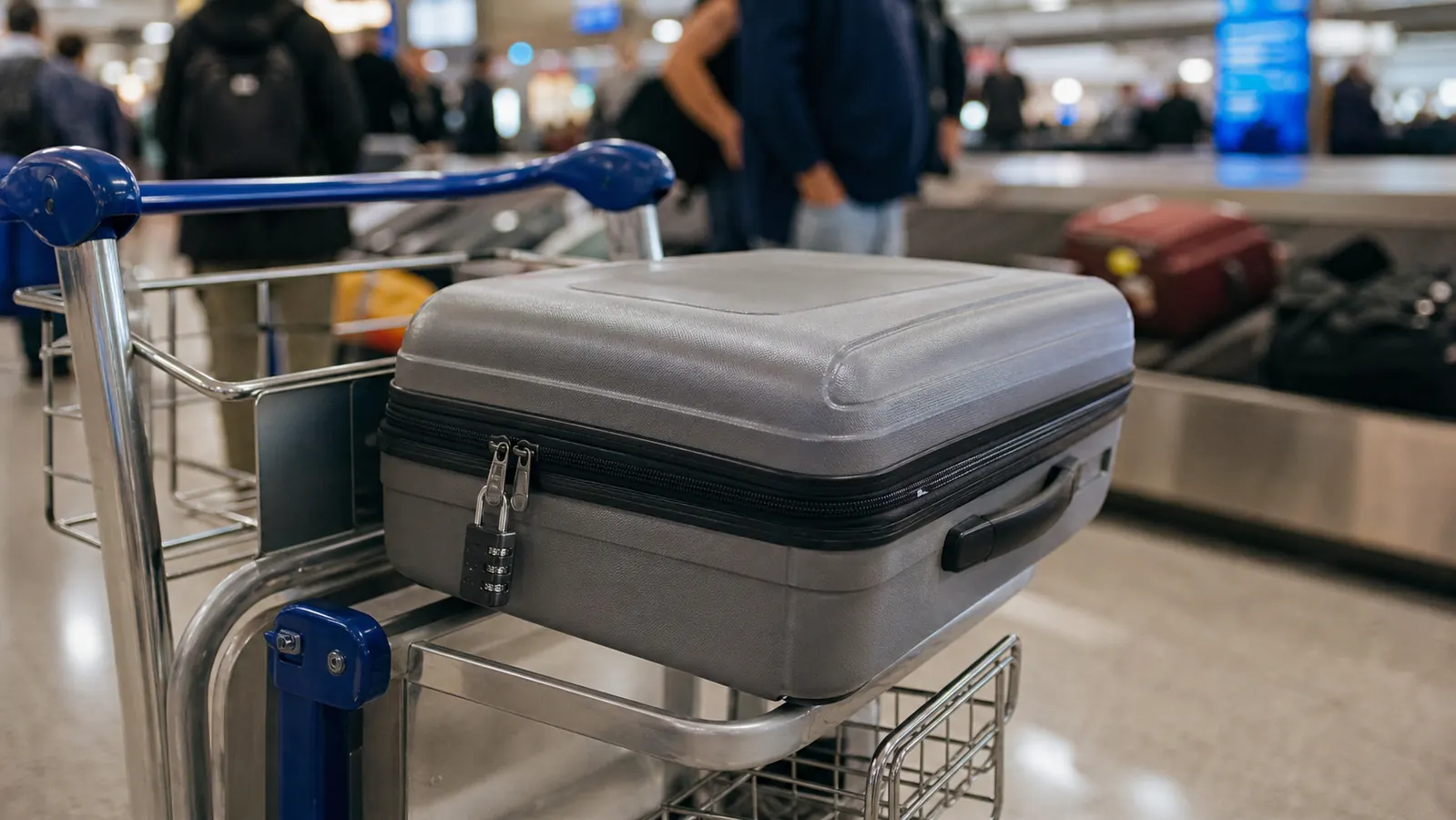
Twenty six flights. That is how many times my checked bag has gone through an airport since I started using this TSA-approved lock a year ago, from a family trip to Orlando last September to a work conference in Denver this spring. Before that, my checked luggage rode with zippers held shut by nothing but hope, or with a cheap combination lock from a pharmacy rack that seized up on a rainy layover in Seattle and had to be cut off with bolt cutters at baggage claim. I wanted something a TSA agent could open with a master key instead of destroying, and something that would still turn smoothly on flight forty without the dials sticking.
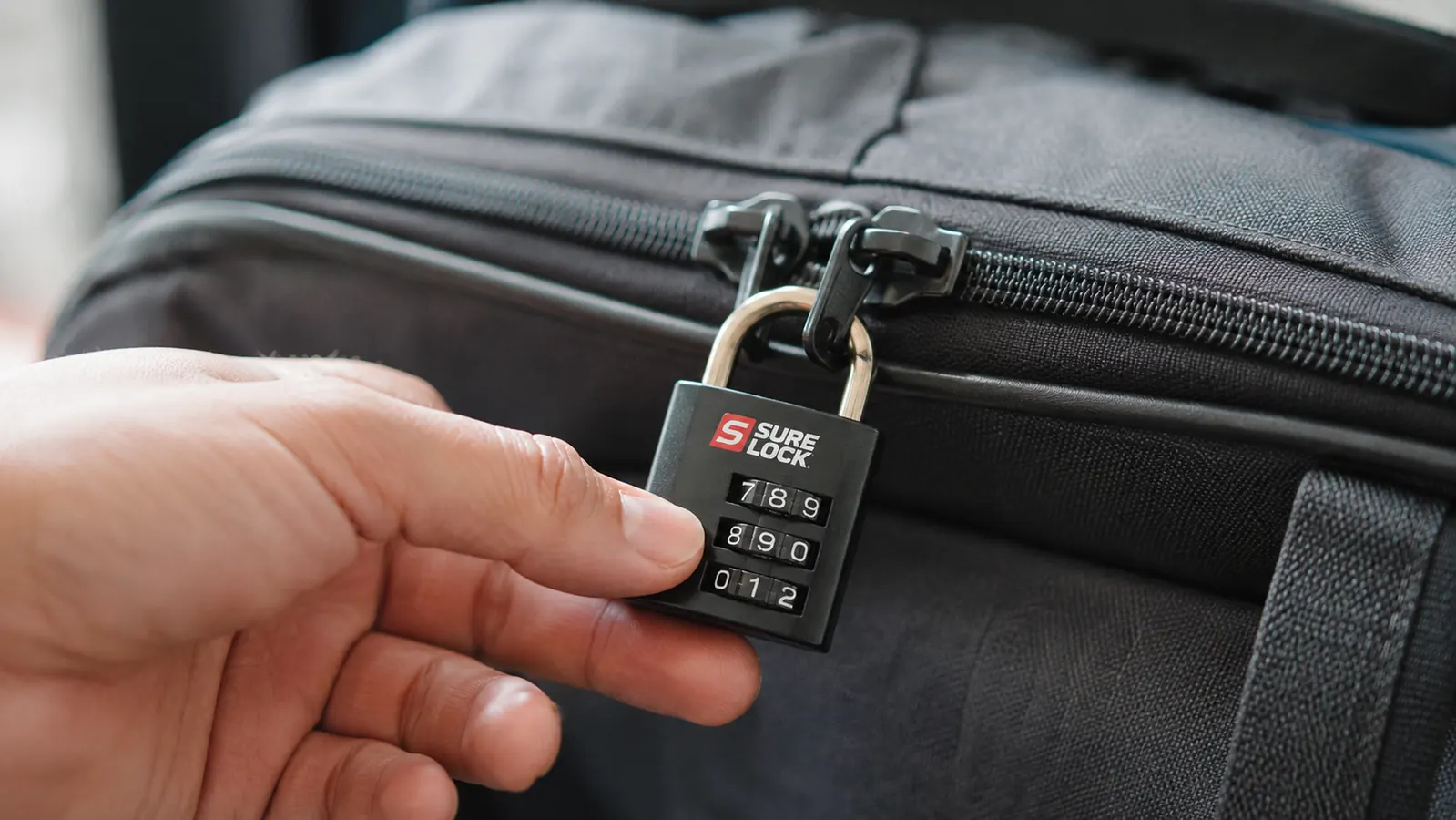
The SURE LOCK TSA Approved Luggage Lock is what I landed on, mostly because of the open alert indicator built into the dial housing, a small red window that pops up if TSA opens your bag for a physical inspection. At $11.95 for a set, it was not the cheapest lock on the shelf, but it was not the most expensive one either, and after a year of actual checked-bag use across 26 flights I have a real opinion on whether that price holds up.
The Quick Verdict
A simple, honest TSA lock that has clipped onto every checked bag for a year without a single dial jam or shackle failure. It is a deterrent against casual tampering and opportunistic theft, not a vault, and it never claims to be more than that.
Amazon Check Today's Price →Tired of your checked bag riding with an unlocked zipper because you do not trust a lock that TSA might cut off?
This is the exact SURE LOCK TSA-approved lock from this review. Check today's price and current availability on Amazon before your next trip.
Amazon Check Today's Price on Amazon →How I've Used It
My routine with this lock is about as simple as it gets. I clip it through the main zipper pulls before I hand the bag to the airline, note the three digit combination on my phone the way I would a hotel safe code, and forget about it until baggage claim. It weighs almost nothing, a fraction of an ounce, so it never registers on a bathroom scale weigh-in the way a heavier padlock might when I am right up against the 50 pound checked bag limit. Over a year that clip-and-forget simplicity is exactly what I wanted from a piece of luggage hardware. I did not want to think about it.
The real stretch of use came during an eleven day trip through Portugal and Spain in April, where the same lock rode on the same hard-shell suitcase through six separate flight segments without ever coming off between hotels. A connecting itinerary through a hub airport in June, three flights in one day with two tight layovers, was the other stress test, since that is exactly the kind of trip where a bag gets handled roughly and a fragile lock shows its weakness fastest. In both cases the lock did its one job without me thinking about it twice, which is the highest compliment I can give a piece of gear that only matters when something goes wrong.
I also used a second lock from the same set on a soft-sided duffel for a weekend trip, clipping it through the zipper pulls on a bag with much less structure than the hard-shell suitcase. It handled that job the same way, no snagging, no bent shackle from the duffel getting tossed on top of heavier bags at baggage claim. None of that is unusual for a TSA lock this size, but it is worth saying plainly, a lock like this is a deterrent against casual opportunistic theft and a way to keep a zipper from popping open in transit. It is not a security guarantee against someone determined to get into your bag, and no lock this small honestly is.
The Open Alert Indicator, After a Year of TSA Screenings
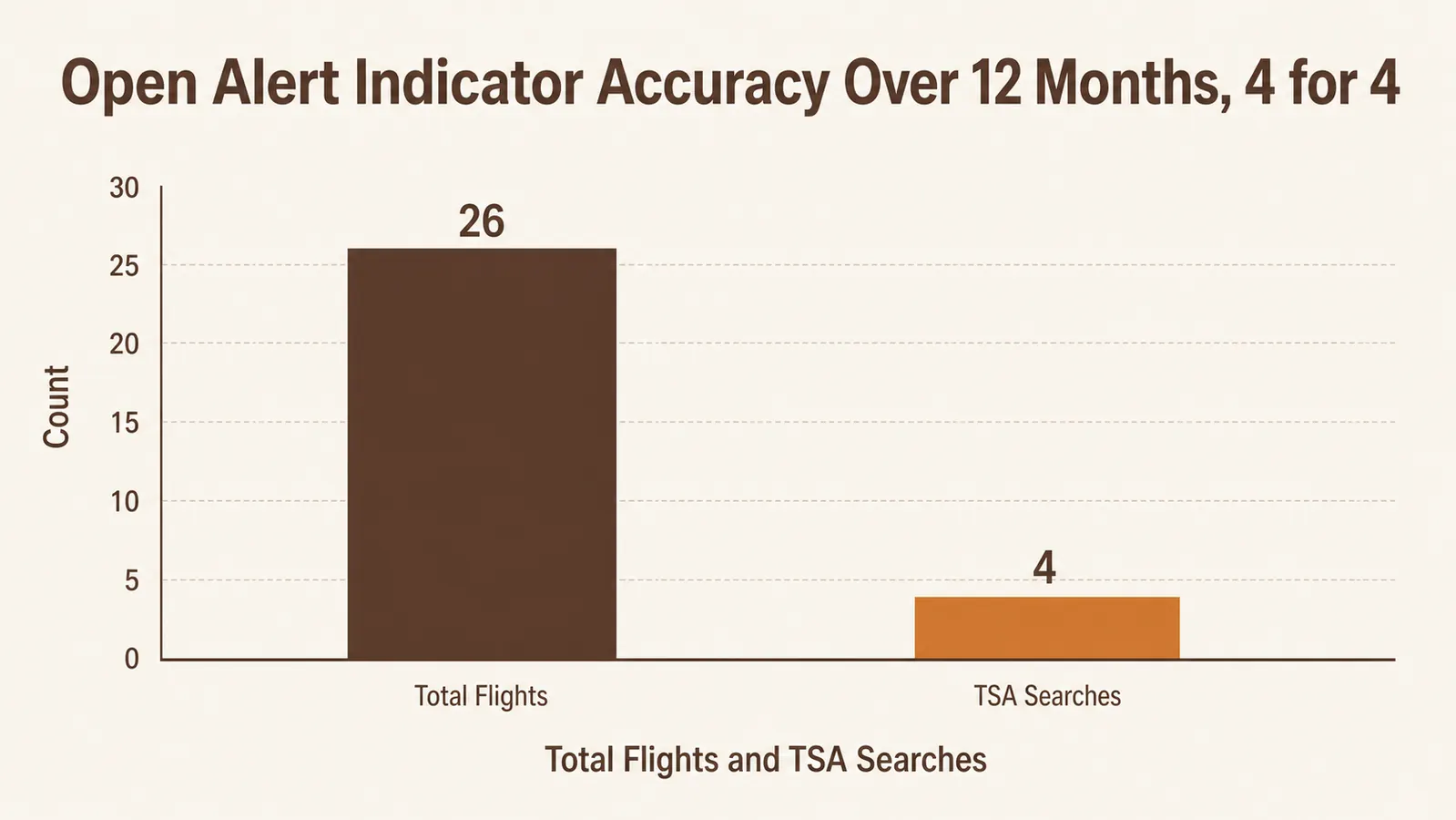
The feature that sold me on this lock in the first place is the open alert indicator, a small window on top of the dial housing that shows red once the lock has been opened with the TSA master key rather than the combination. Out of 26 flights over the year, my checked bag was pulled for a physical TSA search 4 times, twice on outbound domestic flights and twice on international arrivals where a agricultural item in a carry snack triggered a look. In all 4 of those instances the red indicator was showing when I retrieved the bag, and I never once got a false positive where the window showed red on a bag that had not actually been searched.
That 4 for 4 track record matters more than it might sound like on paper. A lock that TSA opens without leaving a trace does not tell you anything useful, and a lock that shows a false alarm on every trip trains you to ignore it. This one has done neither. Resetting the indicator after a search is a simple twist of the dial back to the combination, and I never needed instructions past the first time I did it. It is a small mechanical feature, but it is the one piece of this lock that actually earns the price over a generic unmarked combination lock.
The Dial Mechanism, Does It Still Turn Smoothly at Flight 26
This is the part that killed my last combination lock, and it is the part I watched most closely. The three digit dials on this lock have stayed loose and easy to turn through every one of the 26 flights, including two trips where the bag sat in a cargo hold through temperature swings from a humid Florida tarmac to a cold Denver ramp in the same week. I never had a dial stick, never had to force a number past a sticking point, and never had the combination drift on its own the way a worn-out lock sometimes will after enough spins.
I also deliberately spun the dials to a random combination between trips a few times, just to confirm resetting the code was as easy as the included instructions claimed. It was, a quick sequence with the shackle depressed, and the new combination held through the next flight without slipping back. A year of use has not changed that. If anything, the dials feel exactly the same as they did out of the box, which is more than I can say for the pharmacy lock that started this whole search for something better.
Shackle and Body, What Baggage Handling Actually Does to It
The shackle is a thin loop of hardened steel, not something built to resist bolt cutters or a determined thief with tools, but plenty sturdy for what it is actually protecting against, a zipper popping open from pressure in a packed cargo hold or someone casually trying a zipper on a bag that is not obviously theirs. After a year and 26 flights of conveyor belts, cargo hold loading, and the occasional bag getting stacked under something heavier at baggage claim, the shackle shows a light scuff but has not bent, and it still clips and releases with the same light click it had on day one.
The lock body itself is a compact zinc alloy housing, small enough that it never snags on anything when I am zipping a bag closed around it, and the finish has held up better than I expected against the scrapes of conveyor belts. There is a hairline scratch near the dial ring from a rough handoff at a connecting flight, purely cosmetic, and nothing that has ever affected how the dials turn or how the shackle releases. For $11.95, I did not expect hardware this consistent a year in, but that is what a year of real checked-bag travel actually delivered.
Worth putting a real number on this. A set of two SURE LOCK locks runs $11.95, so each individual lock costs under six dollars, and I have used both locks in the set across roughly two dozen trips between the suitcase and the duffel without replacing either one. Compare that to what I used to spend replacing a pharmacy combination lock every year or two once the dial jammed, and the math favors this set even before you factor in the open alert indicator, which most of those cheaper locks did not have at all. That is the arithmetic that actually matters on a gear budget, not the flashiest lock on the shelf, just the one that keeps working trip after trip without needing to be replaced.
What I Compared It To Before Buying
Before settling on this specific set, I looked seriously at a comparable TSA lock from Forge, a brand with a similar reputation for straightforward airport-approved hardware. I put together a full side-by-side on indicator reliability, dial feel, and price in this SURE LOCK versus Forge lock comparison if you want the direct breakdown rather than my general impression here, but the short version is that the two perform close enough that price and the open alert feature ended up deciding it for me.
I also considered skipping a lock entirely and relying on the zipper-tab straps some travelers swear by, or a cable lock meant for securing a bag to a rack rather than just closing it. Neither one solved the specific problem I had, a zipper working itself open under pressure in a packed cargo hold, which is the actual failure I was trying to prevent. If you are still deciding whether a TSA lock belongs on your checked bag at all, here are ten reasons a TSA luggage lock is worth buying that walk through the case in more detail than fits in this review.
What I Liked
- Open alert indicator correctly flagged all 4 of the 26 flights that got a physical TSA search, zero false positives
- Dials have stayed loose and easy to turn across a full year, no sticking and no drifting combination
- Shackle has not bent through 26 flights of conveyor belts and cargo hold loading
- Combination resets in seconds and holds reliably after the change
- Weighs almost nothing, never a factor against a checked bag weight limit
- $11.95 for a set is a fraction of what a single lock replacement from some competitors costs
Where It Falls Short
- Cosmetic scratches on the housing and shackle after a year of real baggage handling
- Small shackle is not built to resist bolt cutters or a determined thief with tools
- Three digit combination has fewer possible codes than a four digit lock, a minor tradeoff for the speed of setting it
- It is a deterrent against casual tampering, not a guarantee against a professional theft attempt
- Included instructions for the reset sequence are minimal, easy once you know it but easy to fumble the first time
The red window is either up or it is not. Four searches, four accurate flags, zero surprises. That is all I actually wanted from a lock this small.
Who This Is For
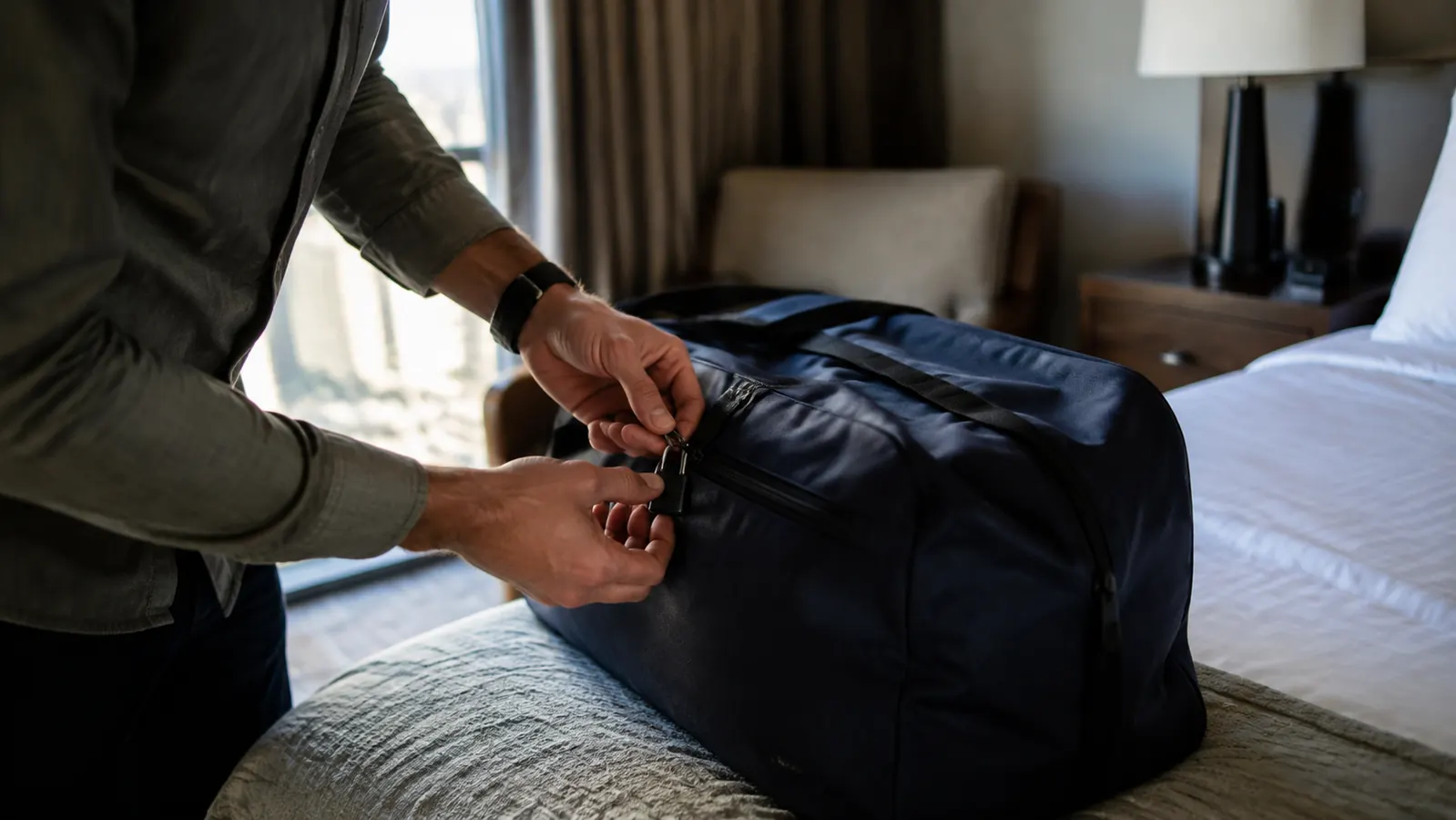
This lock makes sense for anyone who checks a bag often enough that a popped zipper or an unsecured pull is a recurring worry, not a once-a-year inconvenience, and who wants clear confirmation when TSA has actually opened the bag rather than guessing. It suits travelers who have been burned by a cheap lock that seized up or by a lock that got cut off because it was not TSA-recognized hardware. If your checked bag routine involves a zipper closure and you want it to arrive the way you packed it, this is a straightforward yes at this price. It also suits anyone who has replaced a jammed combination lock more than once, since the total cost of ownership over a year of repeated use is where this set actually separates itself from the bargain-bin alternatives sitting next to it on the shelf.
Who Should Skip It
Skip this one if what you actually need is serious theft deterrence for high value items, since a small shackle like this is not built to stop someone with bolt cutters, and no TSA-approved lock this size honestly is. It is also not the right pick if your bag closes with straps rather than zippers, since the shackle is sized for zipper pulls specifically. And if you almost never check a bag, or you travel with hard-sided luggage that already has built-in combination locks, you may be solving a problem your gear already handles, in which case the money is better spent elsewhere in your travel kit.
Ready to stop handing off a checked bag with a zipper you cannot actually secure?
This is the same SURE LOCK TSA-approved lock that clipped through 26 flights and correctly flagged every real TSA search along the way. See today's price and check current stock on Amazon.
Amazon Check Today's Price on Amazon →